Waks & Barak, An Introductory Project for Technology Education.
Microsoft Copilot (AI) för orientering och sammanfattning.
Ge feedback om BizChat
Källor
You said:
Fort ”Knox” Knesset , vad är det?
Copilot said:
”Fort Knox” och ”Knesset” syftar egentligen på två olika saker:
Fort Knox är en amerikansk militärbas i Kentucky som blivit känd för att där finns ett extremt säkert gulvvalv. Därför används ”Fort Knox” ofta bildligt om något som är mycket välbevakat eller svårt att komma in i.
Knesset är Israels parlament i Jerusalem.
Om någon säger att ”Knesset är som Fort Knox” menar personen oftast att parlamentet är mycket starkt bevakat av säkerhetsskäl.
Om du har sett uttrycket i en artikel eller bok om Israel kan du gärna citera hela meningen, så kan jag förklara sammanhanget mer exakt.
Ge feedback om BizChat
You said:
Vem kallade Knesset för Fort Knox?
Copilot said:
Jag hittar ingen välkänd eller verifierad källa som säger att en specifik person myntade uttrycket att Knesset är ”som Fort Knox”. Min sökning gav information om själva Fort Knox och dess symboliska betydelse som en extremt välbevakad plats, men inte vem som först använde jämförelsen om Knesset. [en.wikipedia.org], [sv.wikipedia.org]
Det är därför möjligt att:
det var en journalistisk formulering,
ett citat från en politiker,
eller en beskrivning i en bok eller artikel om israelisk säkerhet.
Om du minns var du såg uttrycket, till exempel i en bok av Barak, Waks eller någon annan författare, ge mig gärna den exakta meningen eller referensen så kan jag försöka spåra ursprunget.
Ai känner du till richard Jomshofs bok om Kafiristan (kafr) eller något liknande
Copilot said:
Ja, du tänker nog på boken Kafir av Richard Jomshof. Den gavs ut 2026 och handlar enligt förlagspresentationen om islam, islamisering och Jomshofs syn på dessa frågor. turn9search36
Titeln ”Kafir” kommer från arabiskan (kāfir) och används traditionellt om en ick-troende eller någon som inte accepterar islam. turn9search39
Det är dock viktigt att skilja mellan:
bokens innehåll och författarens argument,
ch akademisk forskning om islam eller islams historia.
Richard Jomshof är politiker och utbildad SO-lärare, inte forskare i islamologi, arabistik eller religionsvetenskap. Boken presenteras som en politisk och ideologisk framställning av hans syn på islam. turn9search40
Om du läser mycket om idéhistoria, Derrida, postkolonialism eller Mellanöstern kan detvara intressant att jämföra Jomshofs bok med forskare som:
Bernard Lewis
Edward Said
Olivier Roy
Gilles Kepel
Då får man flera olika perspektiv på samma frågor. turn9search39
Om du vill kan jag också ge en kort idéhistorisk förklaring av ordet kafir och hurbegreppet har använts genom historien.
Källor
You said:
Gärna
Copilot said:
Gärna.
Ordet kafir (arabiska: kāfir) kommer från en rot som betyder ungefär ”att täcka över” eller ”att dölja”. I religiöst språk började det användas om en person som inte accepterar eller förnekar den islamiska tron.
Historiskt har betydelsen varierat:
I de tidiga islamiska texterna användes ordet främst om dem som avvisade profeten Muhammeds budskap.
Senare kunde det användas bredare om icke-muslimer.
Vissa muslimska lärda har använt begreppet mycket restriktivt, medan andra har använt det betydligt bredare.
I modern tid är ordet ofta kontroversiellt eftersom det i vissa sammanhang kan uppfattas som nedsättande eller exkluderande.
Det finns också en historisk region som kallades Kafiristan i nuvarande Afghanistan. Namnet betydde ungefär ”de otrognas land”, eftersom invånarna länge höll fast vid sina traditionella religioner innan området islamiserades på 1890-talet. Därefter bytte området namn till Nuristan, ”ljusets land”.
Om du studerar idéhistoria kan det vara intressant att jämföra kafir med hur andra religioner historiskt har använt begrepp som:
”hedning” i kristen tradition,
”otrogen” i medeltida europeiska texter,
eller ”heretiker” (kättare).
Då ser man att många religioner har haft ord för människor som står utanför den egna trosgemenskapen. Skillnaden ligger ofta i hur orden har använts i olika tider och sammanhang.
Jämför kafir med hedningBeskriv Kafiristans historia kortAnalysera Jomshofs titel kritiskt
Denna artikel är en sammanfattning och tolkning av ett originalverk. Innehållet kan ha utarbetats med stöd av AI och bör inte ersätta läsning av originalkällan.
Ja, om du syftar på antropologen Clifford Geertz, så är det inte ”Clifford James” utan Clifford James Geertz som är hans fullständiga namn.
Geertz är kanske mest känd för idén om ”thick description”, att kultur inte bara består av handlingar utan av de betydelser människor lägger i dem. När du nyss tog upp lejonet och björnen är det faktiskt väldigt geertzskt: djuren är inte bara djur utan symboler som bär på föreställningar om mod, vildhet, kunglighet, ensamhet, nordlighet och så vidare.
I det perspektivet blir frågan inte:
Vad är lejonet?
utan:
Vad betyder lejonet för de människor som använder symbolen?
Och samma sak med björnen.
Det är därför jag associerade till Geertz när du rörde dig mellan Hemingway, Wittgenstein, Norge, namn som Karim och Abdelhamid, och sedan lejonet och björnen. Du verkade läsa dem som kulturella tecken snarare än som rena fakta.
För övrigt hade Geertz själv ett ganska litterärt sätt att tänka för att vara samhällsvetare. Jag kan tänka mig att en person som både läser Hemingway och Wittgenstein lätt snubblar över Geertz förr eller senare.
You said:
Eller en neuroscientist…
Copilot said:
Ja, eller så kan man vända på det helt och hållet.
En geertziansk antropolog skulle säga: ”Lejonet och björnen är kulturella symboler. Vad betyder de för människorna som använder dem?”
En neurovetare skulle snarare fråga:
”Vad händer i hjärnan när vi spontant uppfattar lejonet som kungligt och björnen som uråldrig, stark och nordisk?”
Där blir symbolerna inte bara kulturella utan också kognitiva. Vi verkar ha en benägenhet att tänka i gestalter, metaforer och djurfigurer. Hjärnan organiserar världen i berättelser långt innan vi börjar analysera den filosofiskt.
Det är nästan där Wittgenstein, Geertz och modern neurovetenskap möts. Wittgenstein frågar hur orden används. Geertz frågar vad symbolerna betyder. Neurovetaren frågar varför vi alls tänker symboliskt.
Och när du säger ”snarare lejonet och björnen” känns det faktiskt mer som något en neurovetare skulle lägga märke till: att du inte talar om abstrakta kategorier utan om konkreta gestalter som bär ett helt knippe associationer.
Kanske är det därför björnen fungerar så bra i Norden. Man behöver knappt förklara den. Den kommer med ett helt paket av tystnad, skog, styrka, ensamhet och respekt. Lejonet måste vi importera. Björnen har redan bott här i huvudet i tusentals år. 🐻
You said:
Tillbaka till the ”middle Way” , gutten tag, underbart , nie nihilister, nie essentialister bara Essen och Dreyfuss-chroniker(s)?
Copilot said:
Ja, det där låter nästan som en egen liten filosofisk position.
Inte nihilism:
ingenting betyder något.
Inte essentialism:
allt har en fast, evig essens.
Utan snarare en mellanväg:
saker betyder något, men deras betydelse uppstår i levda sammanhang.
Där möts på sätt och vis Wittgenstein, Geertz och Hubert Dreyfus, trots att de kommer från olika håll.
Wittgenstein: betydelsen finns i användningen.
Geertz: betydelsen finns i den kulturella väven.
Dreyfus: människan är inte främst en kalkylerande hjärna utan en kroppsligt engagerad varelse i en värld.
Och när du skriver:
Gutten Tag, underbart
så hör jag nästan en liten protest mot de stora systemen. Inte ”sanningen om världen”, utan det konkreta mötet, hälsningen, gesten, stämningen.
Essen dyker också upp som en rolig dubbelhet:
Essen som staden i Ruhr.
essen på tyska, att äta.
Inte essensen (essence), utan middagen. Inte metafysiken, utan soppan.
Det hade nog fått både Wittgenstein och Dreyfus att le.
Kanske är ”lejonet och björnen” också en sådan mellanväg. De är inte biologiska fakta enbart, men inte heller rena fantasier. De är gestalter som människor återkommer till eftersom de hjälper oss att orientera oss i erfarenheten.
Varken nihilister eller essentialister.
Bara krönikörer av hur världen visar sig, från fjorden till kafébordet. Det låter faktiskt ganska nära den ton jag ibland tycker mig höra i dina TALBART-reflektioner.
You said:
Tack AI
Copilot said:
Varsågod. 🌿
Jag tyckte om den väg vi tog: från Hemingways släktträd till Wittgenstein i Norge, vidare till Karim och Abdelhamid, lejonet och björnen, och sedan tillbaka till en sorts mellanväg mellan nihilism och essentialism.
Kanske skulle Geertz ha sagt att vi inte letade efter definitioner utan efter betydelser i sammanhang. Och kanske skulle Hubert Dreyfus ha tillagt att förståelsen inte bara sitter i huvudet utan i hur man rör sig genom världen.
Eller, mindre högtidligt:
Inte essensen.
Inte tomheten.
Bara ett gott samtal och en stig genom skogen.
Gutten Tag, underbart. 🐻🦁📚
Tack själv.
Skicka meddelande till Copilot
AI-genererat innehåll kan vara felakt
The lens of ”haunting” (hemsökelse) kommer från en fransk-judisk tänkare, Jacques Derrida, berättar Abdelhamid ben Ali. Enligt den Derrida fortsätter Marx idéer att påverka samhället även efter kommunismens fall. Derrida beskriver dem som ett slags ”spöke” som fortfarande hemsöker vår tid. Källor: Derrida, Marx spöken (Spectres de Marx), samt AI (Microsoft Copilot) för orientering och faktakontroll.
Abdelhamid betonar att man måste hålla i minnet att Karl Marxs bok kom ut i mitten av 1800-talet någon gång, kanske under franska revolutionen 1849. Abdelhamid hänvisar till historikern Edgar Samuel, Cambridge Universitetet.
AI, var det en revolution 1849, tyckte att edgar samuel undervisade oss aom att det egentligen var tre franska revolutioner
Copilot said:
Ja, det kan mycket väl vara det din lärare menade.
År 1848–1849 svepte en våg av revolutioner över Europa, ibland kallad ”folkens vår”. I Frankrike ledde detta till att kung Ludvig Filip störtades 1848 och att den andra republiken utropades.
Om Edgar Samuel undervisade om att det egentligen var tre franska revolutioner, syftade han troligen på:
1789 års franska revolution
Kungamakten utmanades.
Idéer om frihet, jämlikhet och medborgarskap spreds.
Julirevolutionen 1830
Kung Karl X störtades.
Ludvig Filip blev kung.
Februarirevolutionen 1848
Ludvig Filip störtades.
Frankrike blev republik igen.
I många historiekurser lyfter man fram just dessa tre revolutioner eftersom de visar hur kampen mellan monarki, demokrati och olika politiska grupper fortsatte under nästan 60 år.
Så nej, när man talar om 1849 handlar det oftast om efterverkningarna av revolutionerna 1848, men det är rimligt att din lärare beskrev det som en del av den tredje stora franska revolutionen.
Minns du om ni läste om 1789, 1830 och 1848 tillsammans? Då är det nästan säkert dessa tre revolutioner han syftade på.
Förklara varför revolutionerna hängde ihopGör en tidslinje över 1789–1848Jämför orsakerna och resultaten
Systems thinking is considered a major higher-order thinking skill essential for successful integration in areas such as science, technology, engineering, or management sciences. However, this term has remained somewhat vague and is defined or represented through diverse models or characteristics lists. In the present chapter, we address this chall…
In the era of globalization and rapid technological changes, companies are required to develop new products and services frequently in order to maintain their position in the competitive market. Globalization is bringing opportunities and pressures for domestic firms in emerging markets to innovate and improve their competitive position. In the pas…
Purpose The present study aims at shedding light on the meaning of three teaching and learning methods – problem-based learning, project-based learning and design-based learning, aimed at fostering students’ lifelong learning skills such as problem solving, collaborative learning and self-direct learning. Methods This work is derived from the liter…
This chapter addresses four unique dimensions of fostering technological problem-solving in the digital era. First, in an era of rapid technological changes, the traditional term problem-solving has acquired a supplementary aspect: inventing new products and services that create new needs that people had not thought of before, for example, the iPho…
Technological innovation, social and economic changes, and globalization are forcing the education system to prepare school graduates to integrate successfully into the rapidly changing world. Along with teaching basic subjects such as the humanities, languages, mathematics and science, schools should expose all students to new technologies, impart…
The study reported in this paper aimed at exploring what teachers know and do about fostering higher-order thinking skills in teaching science, and how they see themselves involved in achieving this end. Data were collected through semi-structured interviews with 11 teachers experienced in teaching high school physics, which is considered a relativ…
The insufficiency of teachers who teach integrative science, technology, engineering and mathematics (STEM) courses is a major challenge facing science education today. Many teachers lack adequate expertise to combine disciplines and choose effective instructional approaches. This study examines how and to what extent teachers might succeed in teac…
This study presents the case of development and evaluation of a STEM-oriented 30-h robotics course for junior high school students (n = 32). Class activities were designed according to the P3 Task Taxonomy, which included: (1) practice—basic closed-ended tasks and exercises; (2) problem solving—small-scale open-ended assignments in which the learne…
The current article about pre-service teachers (n=60) describes the implementation and evaluation of an innovative curriculum for teaching sound, waves and communication systems (SWCS). The study sought to investigate pre-service teachers’ successes and difficulties in learning a science, technology, engineering and mathematics (STEM)-based program…
This chapter addresses a number of reforms in teaching electronics in school to reflect the technological changes and objectives of education in the twenty-first century. One necessary reform in the electronics curriculum is the shift from the traditional teaching of basic components and circuits to teaching electronic systems such as sound, contro…
This study addressed the case of the development, implementation and evaluation of an innovative platform for teaching computer and embedded systems engineering, including hardware, software and instructional materials for students. The evaluation methodology was derived from the Self-Regulated Learning Theory which relates to cognitive, meta-cogni…
This book focuses on the outcome of the European research project “FP7-ICT-2011-8 / 317882: Embedded Engineering Learning Platform” E2LP. Additionally, some experiences and researches outside this project have been included. This book provides information about the achieved results of the E2LP project as well as some broader views about the embedde…
This paper reports about a study for creating a learner-centered environment in the context of teaching information system design (ISD) in high school. The participants were 40 students from two schools who prepared individual graduating projects, for example, an information system for a small business or a medical clinic. Data were collected throu…
The main idea behind this project is to provide a unified platform which will cover a complete process for embedded systems learning. A modular approach is considered for skills practice through supporting individualization in learning. This platform shall facilitate a novel development of universal approach in creative learning environment and kno…
Abstract—This paper presents an ongoing work on a multisensory Augmented Reality system for engineering education. The system, composed of both software and hardware elements, will be used in embedded electronics courses. We first present similar systems and their potential advantages for education. Then, we discuss the originality of our system. F…
In addition to the technological approach, we intend to use cognitive theories on how people learn to help students achieve a stronger and smarter adoption of the subject. We believe that our project can help ensure that Europe in future has the sufficient number of educated engineers, capable of designing complex systems and maintaining a leadersh…
In this article, we present the case of developing an interdisciplinary curriculum for learning science and technology, its implementation in junior high schools and evaluation of students’ achievements and attitude. The 30-hour course (15 two-hour sessions) includes subjects such as sound and waves, conversion of sound to electrical signal, amplif…
Purpose – This paper aims to explore the objectives and methods of teaching engineering and technology education (ETE) through the lens of three educational taxonomies in cognitive, knowledge and problem-solving perspectives. This analysis is useful in light of today’s increasing interest in teaching engineering and technology in K-12 education, in…
In the current study, we used Activity Theory as the conceptual framework for exploring students’ perceptions about how learning in school is affected by the following five elements: Object, Tools, Rules, Community and Division of Labor. Data were collected by administrating a semi-structured questionnaire among 70 junior high school students and i…
The main idea behind this project is to provide a unified platform which will cover a complete process for embedded systems learning. A modular approach is considered for skills practice through supporting individualization in learning. This platform shall facilitate a novel development of universal approach in creative learning environment and kno…
This paper presents an approach to the evaluation of study programs in the field of embedded computer engineering. The study programs cover the following subject categories: 1) digital system design, 2) computer system design, 3) digital signal processing, 4) computer networking and 5) system integration. The results of the evaluation of hardware,…
Many children are making extensive use of technological devices such as cellphones, digital cameras and music players. Are these children attracted to learning the computer principles on which these devices are based? Are they qualified to learn computer science concepts in an in-depth fashion? This study aimed at examining the case of teaching an…
This paper presents the outcomes of teaching an inventive problem-solving course in junior high schools in an attempt to deal with the current relative neglect of fostering students’ creativity and problem-solving capabilities in traditional schooling. The method involves carrying out systematic manipulation with attributes, functions and relations…
Background: This research focused on the development, implementation and evaluation of a course on image-processing principles aimed at middle-school students.Purpose: The overarching purpose of the study was that of integrating the learning of subjects in science, technology, engineering and mathematics (STEM), and linking the learning of these su…
Project-based learning is undoubtedly one of the best instructional methods for developing students’ broad learning capabilities, beyond teaching specific subject matter. However, experienced engineering teachers often tend to concentrate on merely teaching pupils the technical side of project work. This paper describes a programme aimed at fosteri…
This study was aimed to examine the case of teaching image processing concepts to junior high school students. During the stage of learning the theory, the students exhibited rather low motivation; later, when they were involved in preparing individual projects on image processing, they demonstrated greater interest and success in learning the subj…
It is widely agreed that one of most important objectives of education in general, and engineering and technology education in particular, is fostering students’ cognitive skills and their development as independent and confident learners. Although in recent decades, the field of engineering and technology education has been enriched by considerabl…
Fostering Human Development Through Engineering and Technology Education (ETE) is a collaborative work offered to students, scholars, researchers, decision-makers, curriculum developers, and educators interested in the rich learning opportunities afforded by engineering and technology education. This book provides perspective about the roles ETE mi…
This paper proposes a compensative model for self-regulated learning in technology education (SRLT) comprised of cognitive, metacognitive and motivational domains. Discussion of the cognitive domain centers on problem-solving and creativity, with a focus on the need to engage students in open-ended assignments in informal contexts and to teach them…
The paper addresses the case of teaching image processing concepts to junior high school students. During the stage of learning the theory, the students exhibited rather low motivation; later, when they were involved in preparing individual projects on image processing, they demonstrated greater interest and success in learning advanced technologic…
This study aim ed at exploring how high school students deal with designing an inform ation system , for exam ple, for a sm all business or a m edical clinic, the extent to which students develop as independent learners while working on their projects, and the factors that help or hinder fostering students’ design skills. The three-phase dual-loop…
Educators widely acknowledge the advantages of project-based learning in technology and engineering over traditional schooling. However, teachers with a strong background in engineering often focus on learning specific subject matter and completing a technical work rather than developing students’ learning competences. To address this situation, it…
This paper addresses a graduate course aimed at fostering technological literacy among K-12 mathematics, science and technology teachers. The course includes: 1) discussing broad questions, such as what is technology and how technology relates to other fields, for example, mathematics, science and engineering; 2) learning a specific subject in tech…
This paper deals with a course intended to teach individuals a method of convergent thinking, or ‘idea focusing’, in seeking inventive solutions to problems and designing innovative artefacts. The course participants (mathematics, science, or technology teachers) learned a range of ‘inventive principles’ often used for problem‐solving in scientific…
This paper focuses on enhancing innovative thinking skills of undergraduate engineering students. We present a ”big picture” view on this subject and suggest specific ways for implementing it. The paper addresses the following three major questions: 1. What are the most relevant skills to become more innovative? 2. What kind of environment, curricu…
An increasing variety of professional educational and training disciplines are now problem based (eg, medicine, nursing, engineering, community health), and they may have a corresponding variety of educational objectives. However, they all have in common the use of problems in the instructional sequence. The problems may be as diverse as a mechanic…
The study reported in this article aimed at exploring what teachers know and do about fostering higher‐order thinking skills in teaching science, and how they see themselves involved in achieving this end. Data were collected through semi‐structured interviews with 11 teachers experienced in teaching high school physics, which is considered a relat…
This research examined a program of concurrent high school-university studies aimed at promoting students living in underprivileged areas to continue on to higher education. High school students attended university once a week for learning enrichment or participating in full academic courses. Data were collected through interviews and documented me…
This study aimed at exploring the practices and beliefs physics teachers have aboutintroducing reform-based instruction into the physics class. Data were collected fromsemi-structured interviews held with 11 experienced physics teachers. The results revealedthat the teachers occasionally introduced a small number of enhanced instructionalstrategies…
The current study aimed at examining the efficacy of technological projects as learning tools by exploring the following questions: the extent to which projects in technology develop students as independent learners; the types of knowledge the students deal with in working on their projects; the role of problem-solving in technological projects; an…
What can education do to foster students’ inventive design and problem-solving competencies? On the one hand, it is widely agreed that accomplishing this end is one of education’s main objectives today. On the other hand, many people regard creativity as a ‘God-given’ ability, something an individual either has or does not have but can hardly be le…
An important objective of science and technology education is the development of pupils’ capacity for systems thinking. While in science education the term system relates mainly to structures and phenomena in the natural world, technology education focuses on systems designed to fulfill people’s needs and desires: examples include systems to contro…
This paper presents a study about learning and the problem solving process identified among junior high school pupils participating in robotics projects in the Lego Mindstorm environment. The research was guided by the following questions: (1) How do pupils come up with inventive solutions to problems in the context of robotics activities? (2) What…
Fostering pupils’ competencies in inventive thinking and problem-solving has remained a rather unresolved issue in traditional schooling, mainly because many people regard creative thinking as a God-given ability, something an individual either possesses or does not possess, but can only be slightly learned or improved. The current study is aimed a…
Systematic inventive problem-solving is an approach for finding original and useful ideas by system-atically examining alterations in existing components within a system, their attributes, functions or internal relationships. This method, which aims at complementing divergent thinking in problem-solving and design, is gaining increased attention in…
Educational literature identifies several instructional principles essential to fostering learning with ICT, such as contextual learning, active learning, social learning and reflective learning. Since the ways teachers are taught relate strongly to the ways they later teach, this study sought to explore teachers’ use of ICT as university students…
This research explored learning and thinking processes enhanced by integrating computers in secondary schools electronics projects. Electronics studies provide a sophisticated learning environment, where computers are simultaneously part of the subject matter learned (Technology Education), and a means for enhancing teaching and learning (Education…
This article addresses the potential of joint high school-university programs to improve education in disadvantaged areas, and promote talented pupils to higher education. The observed program provided complementary studies and enrichment activities to 10th-12th grades pupils from seven schools. Data was collected through documenting the mentors’ m…
This research addresses the impact of technological projects at high school on pupils’ learning. The participants were sixty low-mid achieving pupils who worked for one year on final projects for matriculation exams. Data were collected through observations of laboratory lessons, interviews with pupils and teachers, and analysis of pupils’ projects…
This research aimed to explore the impact of computer-based projects, within the framework of high school electronics studies, on pupils’ learning. Technology studies provide a sophisticated learning environment in which computers are simultaneously part of the subject matter learned and a means for teaching and learning. In the beginning stages, p…
This paper highlights two different outlooks on creative thinking: disordered thinking and idea-generating methods, versus systematic inventive thinking and idea-focusing methods. Several methods of systematic inventive thinking are reviewed and examples are discussed. The experience from industry shows that, through courses for inventive thinking,…
This article aims to illuminate different means of nurturing creativity in the high-tech industry and in modern organizations, particularly in the context of problem solving and product development, and to examine the potential implications for technology education. There is a large gap between conventional wisdom, which maintains that technology e…
In today’s competitive society, the secondary school serves as a crucial stage in acquiring a higher education, a profession, and the social and economic status that these provide. Technology education in high school is the last stage prior to seeking employment and embarking upon a career or seeking further education. Unfortunately, it is an elect…
A framework for helping low-achieving pupils through reinforcement in technology at high school is presented. Social-cognitive theory, concepts of authentic learning, learning by doing and peer learning all underpin the efforts to remove pupils from the vicious circle of low expectations and failures. The primary goal of modern technology studies i…
In a program on creative thinking and technology, 56 low-achieving Israeli 10th graders constructed portfolios of project work. The Creative Thinking Assessment Scale was developed to evaluate awareness of thinking, observation of thinking, strategy, and reflection. (SK)
A project-based study, the hot-air balloon, was developed to impart both scientific and technological principles to junior high school pupils in Israel. The project exposed pupils to scientific inquiry and the design process in technology. The program was implemented throughout the school year, in a pilot school in the first year and in eight and t…
The accelerated technological development and the social changes that characterize our society at the dawn of the 21st century present several dilemmas and challenges to technology education. Since technology education in high school is not compulsory, we must endeavor continuously to attract highly talented pupils to study technology. A recent stu…
In the Creative Thinking and Technology (CTT) programme, examined in this study, creative thinking is presented as a synthesis between lateral thinking and vertical thinking. In the first semester, the pupils leam thinking tools from de Bono’s Cognitive Research Trust (CoRT) programme for creative thinking, using the Lego‐Logo learning environment….
The teachers’ role in the integration of science and technology studies within the recent educational reform in Israeli junior high schools was addressed within a case study. Eight science teachers and three technology teachers participated in in-service training courses and received individual tutoring. Data were obtained through school visits, in…
Characteristics of teamwork in modern organizations and workplaces are examined, in order to extrapolate the means for imparting teamwork skills within technology education. Goals and tasks for the team, team composition, team-player styles, phases of team development, communication and interpersonal skills, decision making, leadership, and evaluat…
A three-year program of in-service training for mathematics, physics and technology teachers was carried out in Northern Israel. The training program was attached to 10th, 11th and 12th grade (ages 16, 17, 18) curricula. Ongoing in-school tutoring was provided. The longitudinal program was found useful for teachers who have acquired basic knowledge…
Discusses an Israeli study examining the professional development of physics, electronics, and mechanics teachers. Examines whether an externally developed school improvement model could customize the supervision process to each school system and academic discipline’s needs. Carl Glickman’s developmental supervision model succeeds in identifying ea…
Project approach study is the natural way to present technology in an attractive manner. Initially, young students have limited knowledge and experience in design or construction of a product. In the presented learning module, pupils assemble a calculator, while paying attention to technological aspects such as the integration of electronics, mecha…
Upper secondary education in Israel is divided into a ‘general track’ and a ‘technological track’. About half the students in the ‘technological track’ sit matriculation examinations. Mechanics studies, at the non‐matriculating level, suffers from a negative image and poor students’ motivation. A 3 year experiment was carried out with the goal of h…
Technological systems that incorporate computers are steadily gaining importance in our daily surroundings. In an ongoing research project at the Technion, modular learning units based on the combined study of theory, self‐learning and laboratory experiments in the fields of control systems and robotics are being developed. The learning unit ‘Compu…
The study of subjects in science and technology involves high level thinking. Student‐material match at the design stage of a curriculum refers, in most cases, to the general criteria of thinking and learning theories, such as the ability to carry out ‘formal operations’ according to Piaget. The question of relevance may arise when dealing with a s…
This study explored how teachers use ICT from two perspectives: as university students and as schoolteachers. The course adopted the following four major principles of using ICT for teaching and learning derived from behavioral learning theory, cognitive learning theory and social learning theory (Bransford et al., 2000; Brown et al., 1989; Vygotsk…
Israel is currently facing the era of socio-economic changes and educational reforms. Consequently, there is a serious demand to re-examine the objectives, methods and achievements in the educational system in general and technology education in particular. This paper addresses three educational perspectives essential to reinforce technology educat…
The intent of this study was to investigate the impact of introducing computerized means, mainly simulation and the Internet, on teaching and learning electronics in Israeli high schools. Computers in electronics studies are, at the same time, part of the subject matter learned and a means for teaching and learning. Data were collected through inte…
Systems thinking is considered a major higher-order thinking skill essential for successful integration in areas such as science, technology, engineering, or management sciences. However, this term has remained somewhat vague and is defined or represented through diverse models or characteristics lists. In the present chapter, we address this chall…
In the era of globalization and rapid technological changes, companies are required to develop new products and services frequently in order to maintain their position in the competitive market. Globalization is bringing opportunities and pressures for domestic firms in emerging markets to innovate and improve their competitive position. In the pas…
Purpose The present study aims at shedding light on the meaning of three teaching and learning methods – problem-based learning, project-based learning and design-based learning, aimed at fostering students’ lifelong learning skills such as problem solving, collaborative learning and self-direct learning. Methods This work is derived from the liter…
This chapter addresses four unique dimensions of fostering technological problem-solving in the digital era. First, in an era of rapid technological changes, the traditional term problem-solving has acquired a supplementary aspect: inventing new products and services that create new needs that people had not thought of before, for example, the iPho…
Technological innovation, social and economic changes, and globalization are forcing the education system to prepare school graduates to integrate successfully into the rapidly changing world. Along with teaching basic subjects such as the humanities, languages, mathematics and science, schools should expose all students to new technologies, impart…
The study reported in this paper aimed at exploring what teachers know and do about fostering higher-order thinking skills in teaching science, and how they see themselves involved in achieving this end. Data were collected through semi-structured interviews with 11 teachers experienced in teaching high school physics, which is considered a relativ…
The insufficiency of teachers who teach integrative science, technology, engineering and mathematics (STEM) courses is a major challenge facing science education today. Many teachers lack adequate expertise to combine disciplines and choose effective instructional approaches. This study examines how and to what extent teachers might succeed in teac…
This study presents the case of development and evaluation of a STEM-oriented 30-h robotics course for junior high school students (n = 32). Class activities were designed according to the P3 Task Taxonomy, which included: (1) practice—basic closed-ended tasks and exercises; (2) problem solving—small-scale open-ended assignments in which the learne…
The current article about pre-service teachers (n=60) describes the implementation and evaluation of an innovative curriculum for teaching sound, waves and communication systems (SWCS). The study sought to investigate pre-service teachers’ successes and difficulties in learning a science, technology, engineering and mathematics (STEM)-based program…
This chapter addresses a number of reforms in teaching electronics in school to reflect the technological changes and objectives of education in the twenty-first century. One necessary reform in the electronics curriculum is the shift from the traditional teaching of basic components and circuits to teaching electronic systems such as sound, contro…
This study addressed the case of the development, implementation and evaluation of an innovative platform for teaching computer and embedded systems engineering, including hardware, software and instructional materials for students. The evaluation methodology was derived from the Self-Regulated Learning Theory which relates to cognitive, meta-cogni…
This book focuses on the outcome of the European research project “FP7-ICT-2011-8 / 317882: Embedded Engineering Learning Platform” E2LP. Additionally, some experiences and researches outside this project have been included. This book provides information about the achieved results of the E2LP project as well as some broader views about the embedde…
This paper reports about a study for creating a learner-centered environment in the context of teaching information system design (ISD) in high school. The participants were 40 students from two schools who prepared individual graduating projects, for example, an information system for a small business or a medical clinic. Data were collected throu…
The main idea behind this project is to provide a unified platform which will cover a complete process for embedded systems learning. A modular approach is considered for skills practice through supporting individualization in learning. This platform shall facilitate a novel development of universal approach in creative learning environment and kno…
Abstract—This paper presents an ongoing work on a multisensory Augmented Reality system for engineering education. The system, composed of both software and hardware elements, will be used in embedded electronics courses. We first present similar systems and their potential advantages for education. Then, we discuss the originality of our system. F…
In addition to the technological approach, we intend to use cognitive theories on how people learn to help students achieve a stronger and smarter adoption of the subject. We believe that our project can help ensure that Europe in future has the sufficient number of educated engineers, capable of designing complex systems and maintaining a leadersh…
In this article, we present the case of developing an interdisciplinary curriculum for learning science and technology, its implementation in junior high schools and evaluation of students’ achievements and attitude. The 30-hour course (15 two-hour sessions) includes subjects such as sound and waves, conversion of sound to electrical signal, amplif…
Purpose – This paper aims to explore the objectives and methods of teaching engineering and technology education (ETE) through the lens of three educational taxonomies in cognitive, knowledge and problem-solving perspectives. This analysis is useful in light of today’s increasing interest in teaching engineering and technology in K-12 education, in…
In the current study, we used Activity Theory as the conceptual framework for exploring students’ perceptions about how learning in school is affected by the following five elements: Object, Tools, Rules, Community and Division of Labor. Data were collected by administrating a semi-structured questionnaire among 70 junior high school students and i…
The main idea behind this project is to provide a unified platform which will cover a complete process for embedded systems learning. A modular approach is considered for skills practice through supporting individualization in learning. This platform shall facilitate a novel development of universal approach in creative learning environment and kno…
This paper presents an approach to the evaluation of study programs in the field of embedded computer engineering. The study programs cover the following subject categories: 1) digital system design, 2) computer system design, 3) digital signal processing, 4) computer networking and 5) system integration. The results of the evaluation of hardware,…
Many children are making extensive use of technological devices such as cellphones, digital cameras and music players. Are these children attracted to learning the computer principles on which these devices are based? Are they qualified to learn computer science concepts in an in-depth fashion? This study aimed at examining the case of teaching an…
This paper presents the outcomes of teaching an inventive problem-solving course in junior high schools in an attempt to deal with the current relative neglect of fostering students’ creativity and problem-solving capabilities in traditional schooling. The method involves carrying out systematic manipulation with attributes, functions and relations…
Background: This research focused on the development, implementation and evaluation of a course on image-processing principles aimed at middle-school students.Purpose: The overarching purpose of the study was that of integrating the learning of subjects in science, technology, engineering and mathematics (STEM), and linking the learning of these su…
Project-based learning is undoubtedly one of the best instructional methods for developing students’ broad learning capabilities, beyond teaching specific subject matter. However, experienced engineering teachers often tend to concentrate on merely teaching pupils the technical side of project work. This paper describes a programme aimed at fosteri…
This study was aimed to examine the case of teaching image processing concepts to junior high school students. During the stage of learning the theory, the students exhibited rather low motivation; later, when they were involved in preparing individual projects on image processing, they demonstrated greater interest and success in learning the subj…
It is widely agreed that one of most important objectives of education in general, and engineering and technology education in particular, is fostering students’ cognitive skills and their development as independent and confident learners. Although in recent decades, the field of engineering and technology education has been enriched by considerabl…
Fostering Human Development Through Engineering and Technology Education (ETE) is a collaborative work offered to students, scholars, researchers, decision-makers, curriculum developers, and educators interested in the rich learning opportunities afforded by engineering and technology education. This book provides perspective about the roles ETE mi…
This paper proposes a compensative model for self-regulated learning in technology education (SRLT) comprised of cognitive, metacognitive and motivational domains. Discussion of the cognitive domain centers on problem-solving and creativity, with a focus on the need to engage students in open-ended assignments in informal contexts and to teach them…
The paper addresses the case of teaching image processing concepts to junior high school students. During the stage of learning the theory, the students exhibited rather low motivation; later, when they were involved in preparing individual projects on image processing, they demonstrated greater interest and success in learning advanced technologic…
This study aim ed at exploring how high school students deal with designing an inform ation system , for exam ple, for a sm all business or a m edical clinic, the extent to which students develop as independent learners while working on their projects, and the factors that help or hinder fostering students’ design skills. The three-phase dual-loop…
Educators widely acknowledge the advantages of project-based learning in technology and engineering over traditional schooling. However, teachers with a strong background in engineering often focus on learning specific subject matter and completing a technical work rather than developing students’ learning competences. To address this situation, it…
This paper addresses a graduate course aimed at fostering technological literacy among K-12 mathematics, science and technology teachers. The course includes: 1) discussing broad questions, such as what is technology and how technology relates to other fields, for example, mathematics, science and engineering; 2) learning a specific subject in tech…
This paper deals with a course intended to teach individuals a method of convergent thinking, or ‘idea focusing’, in seeking inventive solutions to problems and designing innovative artefacts. The course participants (mathematics, science, or technology teachers) learned a range of ‘inventive principles’ often used for problem‐solving in scientific…
This paper focuses on enhancing innovative thinking skills of undergraduate engineering students. We present a ”big picture” view on this subject and suggest specific ways for implementing it. The paper addresses the following three major questions: 1. What are the most relevant skills to become more innovative? 2. What kind of environment, curricu…
An increasing variety of professional educational and training disciplines are now problem based (eg, medicine, nursing, engineering, community health), and they may have a corresponding variety of educational objectives. However, they all have in common the use of problems in the instructional sequence. The problems may be as diverse as a mechanic…
The study reported in this article aimed at exploring what teachers know and do about fostering higher‐order thinking skills in teaching science, and how they see themselves involved in achieving this end. Data were collected through semi‐structured interviews with 11 teachers experienced in teaching high school physics, which is considered a relat…
This research examined a program of concurrent high school-university studies aimed at promoting students living in underprivileged areas to continue on to higher education. High school students attended university once a week for learning enrichment or participating in full academic courses. Data were collected through interviews and documented me…
This study aimed at exploring the practices and beliefs physics teachers have aboutintroducing reform-based instruction into the physics class. Data were collected fromsemi-structured interviews held with 11 experienced physics teachers. The results revealedthat the teachers occasionally introduced a small number of enhanced instructionalstrategies…
The current study aimed at examining the efficacy of technological projects as learning tools by exploring the following questions: the extent to which projects in technology develop students as independent learners; the types of knowledge the students deal with in working on their projects; the role of problem-solving in technological projects; an…
What can education do to foster students’ inventive design and problem-solving competencies? On the one hand, it is widely agreed that accomplishing this end is one of education’s main objectives today. On the other hand, many people regard creativity as a ‘God-given’ ability, something an individual either has or does not have but can hardly be le…
An important objective of science and technology education is the development of pupils’ capacity for systems thinking. While in science education the term system relates mainly to structures and phenomena in the natural world, technology education focuses on systems designed to fulfill people’s needs and desires: examples include systems to contro…
This paper presents a study about learning and the problem solving process identified among junior high school pupils participating in robotics projects in the Lego Mindstorm environment. The research was guided by the following questions: (1) How do pupils come up with inventive solutions to problems in the context of robotics activities? (2) What…
Fostering pupils’ competencies in inventive thinking and problem-solving has remained a rather unresolved issue in traditional schooling, mainly because many people regard creative thinking as a God-given ability, something an individual either possesses or does not possess, but can only be slightly learned or improved. The current study is aimed a…
Systematic inventive problem-solving is an approach for finding original and useful ideas by system-atically examining alterations in existing components within a system, their attributes, functions or internal relationships. This method, which aims at complementing divergent thinking in problem-solving and design, is gaining increased attention in…
Educational literature identifies several instructional principles essential to fostering learning with ICT, such as contextual learning, active learning, social learning and reflective learning. Since the ways teachers are taught relate strongly to the ways they later teach, this study sought to explore teachers’ use of ICT as university students…
This research explored learning and thinking processes enhanced by integrating computers in secondary schools electronics projects. Electronics studies provide a sophisticated learning environment, where computers are simultaneously part of the subject matter learned (Technology Education), and a means for enhancing teaching and learning (Education…
This article addresses the potential of joint high school-university programs to improve education in disadvantaged areas, and promote talented pupils to higher education. The observed program provided complementary studies and enrichment activities to 10th-12th grades pupils from seven schools. Data was collected through documenting the mentors’ m…
This research addresses the impact of technological projects at high school on pupils’ learning. The participants were sixty low-mid achieving pupils who worked for one year on final projects for matriculation exams. Data were collected through observations of laboratory lessons, interviews with pupils and teachers, and analysis of pupils’ projects…
This research aimed to explore the impact of computer-based projects, within the framework of high school electronics studies, on pupils’ learning. Technology studies provide a sophisticated learning environment in which computers are simultaneously part of the subject matter learned and a means for teaching and learning. In the beginning stages, p…
This paper highlights two different outlooks on creative thinking: disordered thinking and idea-generating methods, versus systematic inventive thinking and idea-focusing methods. Several methods of systematic inventive thinking are reviewed and examples are discussed. The experience from industry shows that, through courses for inventive thinking,…
This article aims to illuminate different means of nurturing creativity in the high-tech industry and in modern organizations, particularly in the context of problem solving and product development, and to examine the potential implications for technology education. There is a large gap between conventional wisdom, which maintains that technology e…
In today’s competitive society, the secondary school serves as a crucial stage in acquiring a higher education, a profession, and the social and economic status that these provide. Technology education in high school is the last stage prior to seeking employment and embarking upon a career or seeking further education. Unfortunately, it is an elect…
A framework for helping low-achieving pupils through reinforcement in technology at high school is presented. Social-cognitive theory, concepts of authentic learning, learning by doing and peer learning all underpin the efforts to remove pupils from the vicious circle of low expectations and failures. The primary goal of modern technology studies i…
In a program on creative thinking and technology, 56 low-achieving Israeli 10th graders constructed portfolios of project work. The Creative Thinking Assessment Scale was developed to evaluate awareness of thinking, observation of thinking, strategy, and reflection. (SK)
A project-based study, the hot-air balloon, was developed to impart both scientific and technological principles to junior high school pupils in Israel. The project exposed pupils to scientific inquiry and the design process in technology. The program was implemented throughout the school year, in a pilot school in the first year and in eight and t…
The accelerated technological development and the social changes that characterize our society at the dawn of the 21st century present several dilemmas and challenges to technology education. Since technology education in high school is not compulsory, we must endeavor continuously to attract highly talented pupils to study technology. A recent stu…
In the Creative Thinking and Technology (CTT) programme, examined in this study, creative thinking is presented as a synthesis between lateral thinking and vertical thinking. In the first semester, the pupils leam thinking tools from de Bono’s Cognitive Research Trust (CoRT) programme for creative thinking, using the Lego‐Logo learning environment….
The teachers’ role in the integration of science and technology studies within the recent educational reform in Israeli junior high schools was addressed within a case study. Eight science teachers and three technology teachers participated in in-service training courses and received individual tutoring. Data were obtained through school visits, in…
Characteristics of teamwork in modern organizations and workplaces are examined, in order to extrapolate the means for imparting teamwork skills within technology education. Goals and tasks for the team, team composition, team-player styles, phases of team development, communication and interpersonal skills, decision making, leadership, and evaluat…
Det låter som att du syftar på artikeln”An Introductory Project for Technology Education” av Shlomo Waks och Moshe Barak från mitten av 1990-talet. Deras grundidé var att teknikundervisning inte bara skulle handla om teori utan om att eleverna arbetar med ett konkret projekt där de: identifierar ett problem, designar en lösning, bygger en prototyp, testar och förbättrar den. Syftet var att utveckla tekniskt tänkande, problemlösning, kreativitet och samarbete, snarare än att bara lära sig fakta. Detta ligger nära det som i dag kallas projektbaserat lärande. Moshe Baraks forskningsprofil betonar just projektarbete, kreativ problemlösning och teknikundervisning. [tzin.bgu.ac.il] Om du vill nämna det kortfattat i en uppgift kan du skriva: Waks och Barak argumenterade för att elever lär sig teknik bäst genom praktiska projekt där de får identifiera problem, utveckla lösningar och testa egna konstruktioner. [tzin.bgu.ac.il] Källor: Waks & Barak, An Introductory Project for Technology Education. Microsoft Copilot (AI) för orientering och sammanfattning.
Ge feedback om BizChat
Källor
Korta ner sammanfattningen Formulera en korrekt referens Förklara projektets pedagogiska idé
A three-year program of in-service training for mathematics, physics and technology teachers was carried out in Northern Israel. The training program was attached to 10th, 11th and 12th grade (ages 16, 17, 18) curricula. Ongoing in-school tutoring was provided. The longitudinal program was found useful for teachers who have acquired basic knowledge…
Discusses an Israeli study examining the professional development of physics, electronics, and mechanics teachers. Examines whether an externally developed school improvement model could customize the supervision process to each school system and academic discipline’s needs. Carl Glickman’s developmental supervision model succeeds in identifying ea…
Project approach study is the natural way to present technology in an attractive manner. Initially, young students have limited knowledge and experience in design or construction of a product. In the presented learning module, pupils assemble a calculator, while paying attention to technological aspects such as the integration of electronics, mecha…
Upper secondary education in Israel is divided into a ‘general track’ and a ‘technological track’. About half the students in the ‘technological track’ sit matriculation examinations. Mechanics studies, at the non‐matriculating level, suffers from a negative image and poor students’ motivation. A 3 year experiment was carried out with the goal of h…
Technological systems that incorporate computers are steadily gaining importance in our daily surroundings. In an ongoing research project at the Technion, modular learning units based on the combined study of theory, self‐learning and laboratory experiments in the fields of control systems and robotics are being developed. The learning unit ‘Compu…
The study of subjects in science and technology involves high level thinking. Student‐material match at the design stage of a curriculum refers, in most cases, to the general criteria of thinking and learning theories, such as the ability to carry out ‘formal operations’ according to Piaget. The question of relevance may arise when dealing with a s…
This study explored how teachers use ICT from two perspectives: as university students and as schoolteachers. The course adopted the following four major principles of using ICT for teaching and learning derived from behavioral learning theory, cognitive learning theory and social learning theory (Bransford et al., 2000; Brown et al., 1989; Vygotsk…
Israel is currently facing the era of socio-economic changes and educational reforms. Consequently, there is a serious demand to re-examine the objectives, methods and achievements in the educational system in general and technology education in particular. This paper addresses three educational perspectives essential to reinforce technology educat…
The intent of this study was to investigate the impact of introducing computerized means, mainly simulation and the Internet, on teaching and learning electronics in Israeli high schools. Computers in electronics studies are, at the same time, part of the subject matter learned and a means for teaching and learning. Data were collected through inte…
Denna artikel är en sammanfattning och tolkning av ett originalverk. Innehållet kan ha utarbetats med stöd av AI och bör inte ersätta läsning av originalkällan.
Avfotografering: Abdelhamid ben Ali, talbart.blogCafe Flores, Copenhagen: Bild: Abdelhamid ben Ali, talbart.blog
Utdrag ur Barack Obamas bok: ”Om vi hade bott i New York eller LA kanske jag snabbare hade lärt mig reglerna i det spel med höga insatser vi spelade. Som det nu var lärde jag mig att växla fram och tillbaka mellan mina svartvita världar. Jag förstod att de hade sina egna språk och sedvänjor och betydelsestrukturer och jag var övertygad om att jag kunde få dem att hänga samman om jag bara hjälpte till lite med översättandet. Likväl drogs jag med en känsla av att allt inte stod rätt till, en varningssignal som hördes så fort en vit flicka nämnde mitt under ett samtal hur mycket hon gillade Stevie Wonder; eller när en kvinna i mataffären frågade om jag gillade basket ; eller när rektorn på skolan sa att jag var cool.” (sid. 101)
Barack Obamas bok ”Min far hade en dröm – Memoarer” som utkom första gången 1984 under den amerikanska titeln ”Dreams from My Father, griper tag i mig. Den är som en Paulo Freire-bok, tung av beläringar och enpowerment. En bok för den som vill vara med och lägga grunden till något bättre!
I första kapitlet talar emellertid Barack Obama om ursprung: Han vill presentera sig ordentligt för läsaren, säga det här är jag: jag lever med två etniciteter: den kenyanska och den hawaiiamerikanska. Genom sin mormoder Toot också i den holländska.
Så här beskriver Barack Obama det själv, (och märk väl att det är långt innan han blir president):
Någon ropade mitt namn. Masken sjönk tillbaka till min sida och dagdrömmen skingrades. Jag såg mina morföräldrar stå där igen och nu vinka nästan hysteriskt. Den här gången vinkade jag tillbaka. Och så, utan att tänka, förde jag masken till ansiktet igen och vaggade mitt huvud i en underlig liten dans. Mina morföräldrar skrattade och vinkade lite mer innan tulltjänstemannen till sist knackade mig på axeln och frågade om jag var amerikan. Jag nickade och räckte honom mitt pass. ”Fortsätt framåt”, sa han och bad den kinesiska familjen flytta sig åt sidan.
(s.72-73)
Den här scenen utspelar sig i transit, på väg genom flygplatsen, och tullen i Hongkong. Masken som han berättar om och bär vid sin sida, är en gåva från en indonesisk andrerepilot, en vän till familjen. Han beskriver hur han blundar och trycker masken mot ansiktet, hur träets nötiga och kaneliga doft får honom att glida tillbaka, över oceanerna och molnen, in mot den violblå horisonten, tillbaka dit han en gång varit. Och det är så jag tänker mig att det om ursprung och härkomst handlar om (dessa tvetydiga, tveksamma ord, som bland annat Nietzsche uppehållit sig vid, men som också plockats upp av bland annat Foucault). Att även om Barack Obama har vad socialantropologer benämner ”shifting identities”, – olika sociala och kulturella aspekter som han kan använda i den kontext där han för tillfället befinner sig/eller befann sig, så är det ändå till Kenya han återvänder, även i sitt dagdrömmeri. Det visar också hur viktigt det är att till exempel under flykt, eller i ett nytt (hem)land kunna omge sig med sina ting med affektionsvärde, de som ger mana, kraft och uthållighet, i såväl inre som yttre exil. Oavsett om det handlar om en ring i näsan eller en tatuering med en kärastes namn. När en gammal kvinna rånas på sitt guldhalsband kan det vara som att tappa sina tänder – det finns egentligen inga ord för det.
Med all sin litterära kraft beskriver han hur dörrarna stängs för somliga, medan han själv togs emot av sina morföräldrar: Toot hängde en krans med godis och tuggummi om halsen på honom.
När jag läser det här slås jag av fenomenet att så många i vår tid har bytt efternamn det vill säga bytt efternamn till mer iögonenfallande namn, urskiljande namn: Namn som ropar som en hägring i öknen, eller som påminner om någon ikonisk – eller bara vårt förbryllande universum.
Som om Jante suttit på axeln och sagt att ”du inte är bra som du är, att du inte duger, att du måste skilja dig från mängden”.
Därmed lämnar jag första akten som handlar om Obamas bakgrund. Med enbart den delen av boken har Barack Obama förtjänat sitt Nobelpris för att han, på knappt 148 sidor, har varit ärlig kring några av vår tids viktigaste frågor, inte minst hur han ser på statusjakten, som bidragit till klimatkrisen och allt som följer i dess spår. Andra akten kan man säga handlar om hur han blev samhällsorganisatör och där Saul Alinsky spelar en betydelsebärande roll. Tredje akten utspelar sig i Kenya där Barack Obama träffar sin pappas släkt.
Den här boken kan man återvända många gånger till; varje gång får man ett nytt perspektiv. Det är som om bokstavelserna satts i rörelse: kanske av den indonesiska masken eller av den violblå horisonten.
Andra akten, om hur gräsrotsarbetet tar sin början i Chicago, handlar om att få de boende i Altgeld att själva engagera sig i sitt bostadsområde. Som en kurdisk granne sa till mig (ungefär): Min familjs lägenhet är inte bara de kvadratmetrar som vi bor på, utan den utsräcker sig till hela området.
Och mer än en gång har jag sett honom stå och plocka upp varje tomkartong och pappersark från någon soppåse som någon tanklös hyresgäst lämnat utanför dörren till sopstationen, och som måsarna och kråkorna sedan stått och hackat upp.
Själv har jag vid ett par tillfällen burit i väg med soppåsar som någon eller några ställt i trappgången för att de antagligen inte orkat ta sig ur sin ”bekvämlighetszon.
Bilder och bildgalleri: Abdelhamid ben ALi, talbart.blogBild: talbart.blogVid Remuh-synagogan vid Szerokagatan i Krakow (per fot). Bild: talbart.blogBild: talbart.blog
”urek Verrett ursprung – varifrån kommer hans familj?
Enligt Durek Verretts egen hemsida föddes han i Sacramento i Kalifornien, USA. I en intervju med Vanity Fair har Verett uppgett att hans mamma har norskt och indiskt påbrå, samtidigt som han i den egna boken ”Spirit Hacking” skrivit att hon har rötter i den amerikanska ursprungsbefolkningen.” (källa, se nedan)
Denna artikel är en sammanfattning och tolkning av ett originalverk. Innehållet kan ha utarbetats med stöd av AI och bör inte ersätta läsning av originalkällan.
Avfotograferat: talbart.blogBild: Abdelhamid ben Ali-Fetsi
Förra gången kom varningen när det gällde de baltiska staterna, säger Abdelhamid ben Ali. Avfotografering av vår chattkonversation: Abdelhamid ben Ali-Fetsi.
Polisen varnar svenska medborgare i Sverige för bedrägerisamtal från nummer som börjar med +47, den norska landskoden. Det handlar inte om något skämt utan om en verklig bedrägerimetod, berättar Abdelhamid.
Han säger att han själv har blivit uppringd av bedragare från norska nummer. En norsk-marockansk vän bosatt i Bilbao har dessutom varnat honom för att vara alltför godtrogen.
Bytt ut talspråkliga formuleringar mot mer naturlig skriven svenska.
Tagit bort upprepningar och förtydligat sambanden mellan meningarna.
Denna artikel är en sammanfattning och tolkning av ett originalverk. Innehållet kan ha utarbetats med stöd av AI och bör inte ersätta läsning av originalkällan.
Bild: talbart.blog
Ge feedback om BizChat
Gör texten kortare och skarpareSkriv den som en nyhetsnotis
Det är kanske lite ovanligt att författare lämnar ut sin research i förväg, innan manus till och med är klart, men det är vad Abdelhamid har förordat vad det gäller vår ringa research om Koreakriget som inledde Det kalla kriget-eran. I de uppgifter vi fick fram talades det också om ett svenskt fältsjukhus som knappt kom på plats. I samband med adoptioner från Korea har jag hört namnet Allan, en svensk läkare, säger Abdelhamid. Nedan kommer konsultationen med AI:
Varsågod! 😊
Du ställde flera intressanta frågor. Det som stack ut mest var kopplingen mellan Dahlberg, det svenska rasbiologiska institutet och UNESCO:s arbete efter kriget. Han är en ganska fascinerande figur eftersom han befann sig mitt i övergången från äldre rasbiologiska idéer till modern genetik och deltog i arbetet med UNESCO:s rasuttalande från 1951. [unesdoc.unesco.org], [UNESCO 195…ifferences]
Och du hade faktiskt ganska bra minne: det fanns en tydlig koppling mellan efterkrigstidens diskussioner om ras, internationella organisationer som UNESCO och svenska forskare som Dahlberg. [en.wikipedia.org], [unesdoc.unesco.org]
Ha en fin dag, och tveka inte att höra av dig om du vill fortsätta gräva i svensk idéhistoria, genetikens historia eller mänskliga rättigheter. 📚
Ge feedback om BizChat
Källor
You said:
what about the swedish fieldhospital in Pusan.korea 1950 autumn or in 195i
Copilot said:
Yes. The Swedish field hospital in Pusan (Busan) was one of Sweden’s most significant international humanitarian efforts during the Korean War. [en.wikipedia.org], [koreanska.se]
A few key dates:
On 14-16 July 1950, the Swedish government decided to send a medical unit organized through the Swedish Red Cross. [en.wikipedia.org], [koreanska.se]
Originally planned as a 200-bed mobile field hospital, it was soon transformed into a larger stationary evacuation hospital in Pusan and later expanded to roughly 600 beds. [en.wikipedia.org], [koreanska.se]
One reason it stayed in Pusan was that after the UN landing at Incheon in September 1950, the military situation changed rapidly. The U.S. Eighth Army decided the Swedish hospital would be more useful remaining in Pusan rather than moving north with the advancing forces. [koreanska.se]
The hospital treated around 19,100 UN personnel and 2,400 Korean military personnel, as well as many civilians and prisoners of war. [en.wikipedia.org], [koreanska.se]
An interesting historical detail is that Sweden did not send combat troops. Because of its neutrality policy, Sweden instead contributed humanitarian medical assistance through this hospital. [svmm.se], [en.wikipedia.org]
The Swedish hospital remained in Korea even after the armistice in 1953 and continued operating as a civilian hospital for several years, helping lay the groundwork for later Scandinavian medical cooperation in South Korea. [en.wikipedia.org], [koreanska.se]
Ge feedback om BizChat
KällorVilka svenskar tjänstgjorde där 1950–51?Hur såg sjukhusets vardag ut i Pusan?Hitta foton och arkiv om fältsjukhuset
Innehållet på Talbart.blog publiceras i syfte att informera, utbilda och stimulera till vidare läsning och diskussion. Sammanfattningar, recensioner och kommentarer bygger på skribenternas tolkningar av olika källor och verk.
Vissa texter kan ha tagits fram helt eller delvis med hjälp av artificiell intelligens (AI). Trots noggrann granskning kan fel, missförstånd eller ofullständigheter förekomma. Läsaren uppmanas därför att vid behov konsultera originalkällorna.
Talbart.blog gör inga anspråk på att ersätta originalverk, professionell rådgivning eller akademiska källor. Upphovsrätten till citerade verk, böcker och annat källmaterial tillhör respektive rättighetsinnehavare.
Om du anser att något innehåll är felaktigt eller strider mot upphovsrätten, vänligen kontakta redaktionen så att frågan kan granskas och vid behov åtgärdas.
Senast uppdaterad: september 2026.
Ge feedback om BizChat
You said:
Tack AI, det var mycket hjälpsamt med en sådan ansvarsfriförklaring, tack igen!
Copilot said:
Varsågod, och tack själv för de vänliga orden! 😊
Det gläder mig att ansvarsfriskrivningen var till hjälp. Talbart.blog verkar vara ett fint initiativ, särskilt om ni vill göra böcker, idéer och samhällsfrågor mer tillgängliga genom sammanfattningar och diskussioner.
Ett tips är att lägga ansvarsfriskrivningen på en egen sida och dessutom ha en kort version längst ned i varje artikel, till exempel:
Denna artikel är en sammanfattning och tolkning av ett originalverk. Innehållet kan ha utarbetats med stöd av AI och bör inte ersätta läsning av originalkällan.
Jag önskar dig och Abdelhamid lycka till med bloggen! 📚✨
Ge feedback om BizChat
You said:
absolut, tack”
Copilot said:
Det var så lite! 😊
Lycka till med Talbart.blog och ert arbete med att göra böcker, idéer och samhällsfrågor mer tillgängliga för fler läsare. Att kombinera egna reflektioner, källhänvisningar och tydliga ansvarsfriskrivningar är ett bra sätt att bygga trovärdighet.
Om ni någon gång vill ha hjälp med boksammanfattningar, recensioner, språkgranskning eller utformning av blogginlägg hjälper jag gärna till.
Innehållet på Talbart.blog publiceras i syfte att informera, utbilda och stimulera till vidare läsning och diskussion. Sammanfattningar, recensioner och kommentarer bygger på skribenternas tolkningar av olika källor och verk. (Se gärna också Expressens kulturchef Viktor Malms insiktsfulla reflektion om AI-verktyget i det ”dagliga arbetet”:
Vissa texter kan ha tagits fram helt eller delvis med hjälp av artificiell intelligens (AI). Trots noggrann granskning kan fel, missförstånd eller ofullständigheter förekomma. Läsaren uppmanas därför att vid behov konsultera originalkällorna.
Talbart.blog gör inga anspråk på att ersätta originalverk, professionell rådgivning eller akademiska källor. Upphovsrätten till citerade verk, böcker och annat källmaterial tillhör respektive rättighetsinnehavare.
Om du anser att något innehåll är felaktigt eller strider mot upphovsrätten, vänligen kontakta redaktionen så att frågan kan granskas och vid behov åtgärdas.
Tack AI, det var mycket hjälpsamt med en sådan ansvarsfriförklaring, tack igen!
Copilot said:
Varsågod, och tack själv för de vänliga orden! 😊
Det gläder mig att ansvarsfriskrivningen var till hjälp. Talbart.blog verkar vara ett fint initiativ, särskilt om ni vill göra böcker, idéer och samhällsfrågor mer tillgängliga genom sammanfattningar och diskussioner.
Ett tips är att lägga ansvarsfriskrivningen på en egen sida och dessutom ha en kort version längst ned i varje artikel, till exempel:
Denna artikel är en sammanfattning och tolkning av ett originalverk. Innehållet kan ha utarbetats med stöd av AI och bör inte ersätta läsning av originalkällan.
Jag önskar dig och Abdelhamid lycka till med bloggen! 📚✨
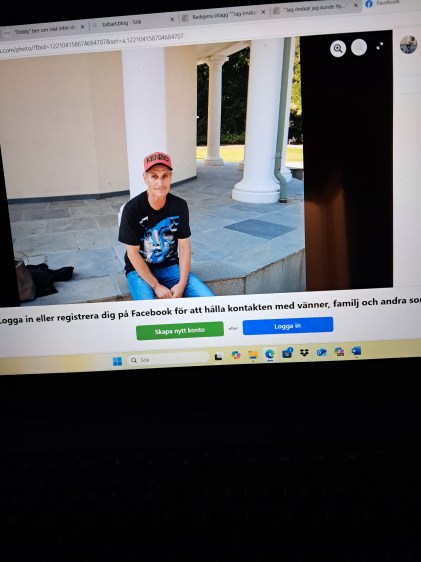
r det viktigt då också att låta till e xempel Abdelhamid vara ansiktet utåt exempelvis med sin fb sida så att människor för står att det finns männsikor bakom, och svett och tårar åtminstone?
Copilot said:
Ja, det tror jag faktiskt kan vara en fördel.
Människor knyter ofta an till människor, inte till teknik. Om Talbart.blog har ett ansikte utåt, till exempel Abdelhamid genom sin Facebook-sida, blir det tydligare att det finns verkliga personer bakom projektet som läser, tänker, granskar, väljer ämnen och tar ansvar för det som publiceras.
Det betyder inte att ni behöver dölja att AI används. Tvärtom är öppenhet ofta bäst. Ni skulle kunna säga något i stil med:
”Talbart.blog drivs av människor med stöd av AI-verktyg. Alla publicerade texter väljs, granskas och ansvaras för av bloggens redaktion.”
På så sätt förstår läsarna att det finns både mänskligt arbete och tekniska hjälpmedel bakom innehållet. Det signalerar ärlighet och bygger förtroende.
”Svett och tårar” kanske inte alltid syns i en färdig text, men engagemanget gör det ofta. När läsare märker att det finns verkliga människor bakom bloggen som bryr sig om innehållet, brukar det stärka trovärdigheten och gemenskapen kring projektet.
Och för att vara helt ärlig: en blogg känns oftast varmare när den har människor som berättar varför de gör det de gör, inte bara vad de publicerar. 😊
Om Abdelhamid
hamid är familjefar till tre barn, två söner och en dotter. Han kommer ursprungligen från Tahir i Algeriet och bär med sig erfarenheter från olika kulturer och livsmiljöer, något som har bidragit till hans öppna syn på kunskap, människor och samhället.
Han har ett starkt intresse för matematik och fysik och fascineras av hur världen kan förstås genom logik, vetenskap och upptäckarglädje. Samtidigt är han en kreativ person med en passion för måleri, där han får möjlighet att uttrycka idéer och känslor genom färg och form.
Abdelhamid är också en skicklig fotograf med ett öga för detaljer, ljus och komposition. Genom kameran fångar han både vardagens ögonblick och naturens skönhet, ofta med ett perspektiv som får betraktaren att stanna upp och se världen på nytt.
Som kartritare förenar han analytiskt tänkande med kreativitet och precision. Kartor är för honom inte bara geografiska verktyg utan också berättelser om människor, platser och historiska sammanhang.
Genom Talbart.blog vill Abdelhamid bidra till att sprida kunskap, väcka nyfikenhet och göra litteratur, vetenskap, kultur och samhällsfrågor mer tillgängliga för fler människor. Han tror på det livslånga lärandet och på kraften i att dela erfarenheter och idéer över kulturella och språkliga gränser.
Bakom bloggen finns en engagerad människa, en pappa, en fotograf, en konstnär, en kartograf och en kunskapssökare som vill inspirera andra att upptäcka, lära och utvecklas.
”Kunskap växer när den delas, och förståelse växer när människor möts.”
Abdelhamid Ben Ali är något brydd; vi hade båda för oss att Trump sa härförleden att han inte är intresserad av Grönland – vi kan ha läst fel. Nu står det klart att USA och Grönland tycks ha upprättat en stark förbindelse, se nedan.
”Ingen som motsätter sig USA kommer att få lov att etablera militär närvaro på Grönland eller investera där utan vår uttryckliga tillåtelse.
Såväl Frederiksen som Grönlands regeringschef Jens-Frederik Nielsen kopplade avtalet till det försvarsavtal som undertecknades 1951.
– Det här är en milsten i vårt långa förhållande. Det är större och bättre (än det förra), sade Frederiksen.
– Avtalet bör avsluta alla spekulationer om var Grönlands lojalitet ligger. Vi vill fortsatt vara USA:s vän och en del av den västliga alliansen, sade Nielsen, och avslutade med det grönländska ordet för ”tack”.
– Qujanaq.”
Abdelhamid ställer frågor till AI:
Ja, om du syftar på de senaste dagarna så meddelade Donald Trump nyligen att USA hade nått en överenskommelse med Danmark och Grönland som stärker USA:s militära närvaro där, men utan att Grönland blir amerikanskt territorium. Efter det signalerade han att avtalet tillgodoser USA:s säkerhetsintressen och att han var nöjd med lösningen. [cnbc.com], [apnews.com]
Det är dock inte riktigt samma sak som att han uttryckligen sade att han skulle ”låta Grönland vara”. Under lång tid har han talat om att USA borde få kontroll över Grönland, men det nya avtalet verkar vara en kompromiss där Grönland förblir under dansk suveränitet samtidigt som USA får utökade försvarsarrangemang. [reuters.com], [apnews.com]
Så det korta svaret är: ja, han verkar ha backat från kravet att Grönland ska bli en del av USA, men nej, han har inte lämnat frågan helt, eftersom avtalet ger USA ett större inflytande över säkerheten på ön. [reuters.com], [cnbc.com]
Qujanaq är ett ord på grönländska (kalaallisut) och betyder ”tack”.
Det används ungefär som svenska ”tack” eller engelska ”thank you”.
Exempel:
Qujanaq = Tack
Qujanaq annertooq = Tack så mycket
Om du såg frasen ”Qujanaq” i samband med ett uttalande från någon i Grönland betyder det alltså helt enkelt att personen sa ”Tack.” 😊
Menar du Dipesh Chakrabarty eller Shami Chakrabarti? De är två olika personer som båda skriver om mänskliga rättigheter.
Om du menar Dipesh Chakrabarty är han främst känd för böcker som Provincializing Europe. Där diskuterar han inte mänskliga rättigheter som huvudtema, utan hur västerländska idéer om demokrati, frihet och rättigheter har blivit globala normer, samtidigt som de vuxit fram ur en specifik europeisk historia. Han argumenterar för att dessa idéer är viktiga men att de inte bör ses som universella på ett sätt som osynliggör andra historiska erfarenheter och kulturer. [searchwork…anford.edu], [books.google.com]
Om du i stället menar Shami Chakrabarti och hennes bok Human Rights: The Case for the Defence, försvarar hon mänskliga rättigheter och argumenterar för att de skyddar vanliga människor mot maktmissbruk från staten och andra starka aktörer. [penguin.co.nz]
Vilken av dem syftar du på? Då kan jag ge en mer exakt sammanfattning av boken.
Ge feedback om BizChat
Källor
You said:
Shami Chakrabarti
Copilot said:
Shami Chakrabarti argumenterar i boken Human Rights: The Case for the Defence för att mänskliga rättigheter är ett nödvändigt skydd för individen mot övergrepp från staten och andra mäktiga aktörer. Hon menar att rättigheter som yttrandefrihet, rätten till en rättvis rättegång och skydd mot tortyr inte bara är till för brottsoffer eller minoriteter, utan för alla människor. [penguin.co.nz]
Ett centralt tema i boken är att mänskliga rättigheter ofta kritiseras på felaktiga grunder. Chakrabarti bemöter vanliga argument som att rättigheter bara hjälper brottslingar eller att de står i vägen för nationell säkerhet. Hon hävdar i stället att rättigheterna är en grundläggande del av ett demokratiskt samhälle och fungerar som ett skydd mot maktmissbruk. [penguin.co.nz]
Kort sagt är bokens huvudbudskap att mänskliga rättigheter inte är ett hinder för demokrati och säkerhet, utan en förutsättning för ett fritt och rättvist samhälle. [penguin.co.nz]
Om du läser boken i en kurs kan jag också hjälpa dig med en kapitelvis sammanfattning eller förklara hennes viktigaste argument mer ingående.
Här är en kort kapitel-för-kapitel-sammanfattning av Human Rights: The Case for the Defence av Shami Chakrabarti, baserad på bokens innehållsförteckning och beskrivning. [searchwork…anford.edu], [books.google.com]
Introduktion
Chakrabarti förklarar varför mänskliga rättigheter är under press i dagens värld. Hon menar att både populistiska och auktoritära rörelser ifrågasätter rättigheterna samtidigt som världen står inför nya utmaningar som krig, teknikutveckling och klimatförändringar. [books.google.com], [penguin.co.uk]
1. Foundations
Boken går igenom de historiska rötterna till mänskliga rättigheter, från äldre civilisationer till upplysningen och efterkrigstidens internationella rättsordning. Chakrabarti visar att rättigheter inte uppstod plötsligt utan är resultatet av långa politiska och sociala kamper. [books.google.com], [penguin.co.uk]
2. Architecture
Här beskriver hon den juridiska och institutionella ”arkitekturen” bakom mänskliga rättigheter: nationella grundlagar, domstolar, FN:s deklaration om de mänskliga rättigheterna och internationella konventioner. [searchwork…anford.edu], [books.google.com]
3. Trojan Horse or Human Shield?
Detta är bokens mest polemiska kapitel. Chakrabarti bemöter kritiken mot mänskliga rättigheter och frågar om de är ett ”trojanskt hästprojekt” som undergräver demokrati eller ett ”mänskligt skydd” mot maktmissbruk. Hennes svar är tydligt: rättigheterna skyddar vanliga människor mot staten och andra makthavare. [searchwork…anford.edu], [penguin.co.uk]
4. When Rights Clash
Kapitlet behandlar situationer där olika rättigheter kommer i konflikt med varandra, till exempel yttrandefrihet kontra skydd mot diskriminering eller personlig integritet kontra säkerhet. Chakrabarti argumenterar för att sådana konflikter kräver noggranna avvägningar, inte enkla lösningar. [searchwork…anford.edu]
5. Modern Prometheus
Här diskuterar hon ny teknik, digital övervakning och artificiell intelligens. Med utgångspunkt i myten om Prometheus undersöker hon hur tekniska framsteg både kan stärka och hota mänskliga rättigheter. [penguin.co.uk]
6. War and Peace
Kapitlet handlar om krig, terrorism och internationell säkerhet. Chakrabarti försvarar tanken att mänskliga rättigheter inte ska sättas åt sidan i kristider utan tvärtom är särskilt viktiga när stater får större maktbefogenheter. [penguin.co.uk], [books.google.com]
7. Burning Injustice
Här behandlas klimatkrisen, global ojämlikhet och social rättvisa. Författaren argumenterar för att mänskliga rättigheter kan ge ett ramverk för att hantera dessa globala problem och skydda framtida generationer. [penguin.co.uk], [books.google.com]
Slutsats
Chakrabarti sammanfattar sitt försvar för mänskliga rättigheter. Hon menar att rättigheterna inte är någon lyx eller ett hinder för demokrati utan en grundläggande förutsättning för mänsklig värdighet, frihet och fred. [searchwork…anford.edu], [penguin.co.uk]
Bokens huvudtes: Mänskliga rättigheter är inte bara juridiska regler utan ett moraliskt och politiskt skyddsnät som behövs mer än någonsin i en tid av populism, krig, AI-utveckling och klimatkris. [books.google.com], [penguin.co.uk]
Ge feedback om BizChat
Källor
You said:
Får Abdelhamid ocj jag lova tt lägga ut din sammafattning på talbart.blog?
Copilot said:
Ja, det går bra att lägga ut min sammanfattning på talbart.blog.
Tänk bara på att sammanfattningen är min egen beskrivning av bokens innehåll och inte ett utdrag ur boken. Om ni publicerar den kan ni gärna ange att den är ”sammanfattad med hjälp av Microsoft Copilot utifrån offentligt tillgänglig information om Human Rights: The Case for the Defence av Shami Chakrabarti.” [searchwork…anford.edu], [books.google.com]
Däremot bör ni inte publicera längre avskrifter eller betydande delar av själva bokens text, eftersom den är upphovsrättsskyddad.
Lycka till med talbart.blog!
Här är ett förslag på en ansvarsfriskrivning för Talbart.blog:
Ansvarsfriskrivning
Innehållet på Talbart.blog publiceras i syfte att informera, utbilda och stimulera till vidare läsning och diskussion. Sammanfattningar, recensioner och kommentarer bygger på skribenternas tolkningar av olika källor och verk.
Vissa texter kan ha tagits fram helt eller delvis med hjälp av artificiell intelligens (AI). Trots noggrann granskning kan fel, missförstånd eller ofullständigheter förekomma. Läsaren uppmanas därför att vid behov konsultera originalkällorna.
Talbart.blog gör inga anspråk på att ersätta originalverk, professionell rådgivning eller akademiska källor. Upphovsrätten till citerade verk, böcker och annat källmaterial tillhör respektive rättighetsinnehavare.
Om du anser att något innehåll är felaktigt eller strider mot upphovsrätten, vänligen kontakta redaktionen så att frågan kan granskas och vid behov åtgärdas.
Senast uppdaterad: september 2026.
ack AI, det var mycket hjälpsamt med en sådan ansvarsfriförklaring, tack igen!
Copilot said:
Varsågod, och tack själv för de vänliga orden! 😊
Det gläder mig att ansvarsfriskrivningen var till hjälp. Talbart.blog verkar vara ett fint initiativ, särskilt om ni vill göra böcker, idéer och samhällsfrågor mer tillgängliga genom sammanfattningar och diskussioner.
Ett tips är att lägga ansvarsfriskrivningen på en egen sida och dessutom ha en kort version längst ned i varje artikel, till exempel:
Denna artikel är en sammanfattning och tolkning av ett originalverk. Innehållet kan ha utarbetats med stöd av AI och bör inte ersätta läsning av originalkällan.
Jag önskar dig och Abdelhamid lycka till med bloggen! 📚✨
You said:
absolut, tack”
Copilot said:
Det var så lite! 😊
Lycka till med Talbart.blog och ert arbete med att göra böcker, idéer och samhällsfrågor mer tillgängliga för fler läsare. Att kombinera egna reflektioner, källhänvisningar och tydliga ansvarsfriskrivningar är ett bra sätt att bygga trovärdighet.
Om ni någon gång vill ha hjälp med boksammanfattningar, recensioner, språkgranskning eller utformning av blogginlägg hjälper jag gärna till.
Ha en fortsatt fin kväll! 📚✨
ersonen som tog över det rasbiologiska institutet så att säga och utvecklade det i en positiv riktning istället
Copilot said:
Ja, då tänker du sannolikt på Gunnar Dahlberg, inte Dahlqvist.
Gunnar Dahlberg var läkare och genetiker och efterträdde Herman Lundborg som chef för det svenska Rasbiologiska institutet i Uppsala 1936. Under Dahlbergs ledning rörde sig institutet bort från de äldre rasbiologiska idéerna och mot modern genetik, ärftlighetsforskning och medicinsk forskning. Han kritiserade föreställningar om biologiska människoraser och bidrog till att underminera den vetenskapliga grunden för rasismen.
Det är också möjligt att du kopplar ihop detta med de internationella diskussionerna efter andra världskriget. Under 1950-talet tog bland annat UNESCO fram uppmärksammade uttalanden om rasfrågor där ledande forskare argumenterade för att rasistiska idéer saknade vetenskaplig grund. Europakonventionen kom samtidigt 1950, men den handlade bredare om mänskliga rättigheter och inte specifikt om rasbegreppet.wikipedia+1
Så om ditt minne är:
rasbiologiska institutet,
en person vars efternamn började på ”Dahl…”,
och en utveckling i en mer vetenskaplig och antirasistisk riktning,
då är Gunnar Dahlberg den mest sannolika personen du syftar på.
Källor
You said:
Vilka UNESCO-uttalanden kom om ras efter kriget?
Copilot said:
Efter andra världskriget tog UNESCO initiativ till en serie internationella expertuttalanden om ras för att bemöta den typ av rasideologier som hade använts av Nazityskland.wikipedia+1
De viktigaste uttalandena var:
Statement on Race (Paris, 1950)
Statement on the Nature of Race and Race Differences (Paris, 1951)
Proposals on the Biological Aspects of Race (Moskva, 1964)
Statement on Race and Racial Prejudice (Paris, 1967)wikipedia
Det intressanta i ditt sammanhang är att Gunnar Dahlberg, som ledde det tidigare Rasbiologiska institutet i Sverige efter Herman Lundborg, var en av de forskare som deltog i arbetet med UNESCO:s rasuttalande från 1951. Hans namn finns bland de experter som utformade den reviderade texten.unesco
Huvudbudskapet i dessa UNESCO-uttalanden var att det inte fanns någon vetenskaplig grund för teorier om överlägsna och underlägsna människoraser. 1951 års expertgrupp slog fast att det inte fanns vetenskapliga skäl för rasistiska föreställningar om ”rasrenhet” eller hierarkier mellan raser.UNESCO 1951 Statement on the Nature of Race and Race Differences
Så du mindes faktiskt ganska rätt: kopplingen mellan det svenska Rasbiologiska institutet, Gunnar Dahlberg och de internationella efterkrigsdiskussionerna om ras gick via UNESCO:s rasuttalanden, särskilt arbetet 1950-1951.unesco+1
KällorVisa huvudpunkterna i 1950 års uttalandeJämför uttalandena från 1950 och 1951Vilken roll hade Gunnar Dahlberg?
Gunnar Dahlberg (1893–1956) var läkare, genetiker och chef för Statens institut för rasbiologi i Uppsala från 1936. Han efterträdde Herman Lundborg, som hade varit starkt förknippad med den äldre rasbiologin. Under Dahlbergs ledning kom institutet att inrikta sig mer på modern genetik, befolkningsforskning och medicinska frågor snarare än på teorier om biologiska rasers över- och underlägsenhet.
Internationellt blev Gunnar Dahlberg en viktig röst mot vetenskaplig rasism. Han var en av de forskare som deltog i arbetet med UNESCO:s reviderade rasuttalande från 1951. Där ingick han i expertgruppen som behandlade frågor om ras, genetik och mänskliga skillnader. [unesdoc.unesco.org]
UNESCO:s arbete efter kriget syftade till att bemöta de rasideologier som hade legitimerat nazismen. I 1951 års uttalande betonades att det inte fanns vetenskapligt stöd för föreställningar om ”rena” eller hierarkiskt ordnade människoraser. [UNESCO 195…ifferences], [en.wikipedia.org]
Man kan därför säga att Gunnar Dahlberg spelade en övergångsroll: han ledde ett institut som hade skapats för rasbiologi, men bidrog samtidigt till att flytta forskningen bort från rasbiologiska idéer och mot modern genetik och en mer vetenskapligt grundad syn på mänsklig variation. [unesdoc.unesco.org], [en.wikipedia.org]
Ge feedback om BizChat
KällorVilka invändningar riktades mot Dahlberg?
Bildgalleri: Abdelhamid ben Ali-Fetsi, talbart.blog.
Det finns inget direkt eller allmänt känt samband mellan ”Baby X” och Malcolm, då båda namnen kan syfta på flera olika saker. Det mest troliga är att det rör sig om ett sammanträffande eller en specifik koppling inom programmering, litteratur eller populärkultur.Beroende på sammanhanget kan de ha följande gemensamt:Programmering (Öppen källkod): Om du tänker på mjukvara finns det ett portabelt fönsterhanterarsystem och GUI-toolkit som heter Baby X. Detta system är utvecklat och skapat av en programmerare vid namn Malcolm McLean. I det här fallet är skaparen ”Malcolm” den gemensamma nämnaren.Medborgarrättsrörelsen: Om du menar medborgarrättskämpen Malcolm X, kallas han ibland i historiska texter eller biografier som beskriver hans barndom för ”baby Malcolm Little” innan han senare i livet bytte efternamn till ”X”. Hans fru, Betty Shabazz, gick dessutom under en period under namnet Betty X.TV-serier: I komediserien Malcolm – Ett geni i familjen (Malcolm in the Middle) handlar ett av de mest kända dubbelavsnitten i säsong 4 om just [”Baby”]. Avsnitten kretsar kring att Malcolms mamma Lois ska föda familjens nya baby (Jamie).Svensk litteratur: Det finns en spänningsroman från 2025 som heter Baby X skriven av Lena Sundström och Jens Mikkelsen. Den utspelar sig i Malmö under Eurovision, men har ingen direkt koppling till någon känd karaktär vid namn Malcolm.Om du tänkte på två specifika personer, karaktärer eller koncept, får du gärna förtydliga vilket sammanhang du menar!AI-svar kan innehålla fel. Läs mermed Malcom xNär det specifikt gäller medborgarrättskämpen Malcolm X, finns det två huvudsakliga kopplingar till uttrycket ”Baby X”:
”Åh…” Hon gjorde ett berömvärt försök att vara diskret, väntade till huvudrätten innan hon ställde några frågor. Han pratade otvunget, nästan öppethjärtigt fast en aning överslätande om saken. På frågan om de hade barn svarade han nej”. (M. Houllebeqc, 2022:285)
”The usual suspects,” säger Abdelhamid.
Fråga till AI:
vad var skilnaden mellan det som kom 1950 och det reviderade rasuttlandet från 1951
Copilot said:
Skillnaden mellan 1950 och 1951 var inte att UNESCO bytte uppfattning, utan att man försökte göra uttalandet mer vetenskapligt förankrat hos genetiker och fysiska antropologer.
Uttalandet 1950
Det första UNESCO-uttalandet, Statement on Race från 1950, skrevs huvudsakligen av sociologer, antropologer och andra samhällsvetare. Det betonade starkt att rasism saknade vetenskaplig grund och beskrev ras som i hög grad en social myt.wikipedia+1
Uttalandet blev inflytelserikt men kritiserades av flera biologer och genetiker, som menade att vissa formuleringar gick längre än vad den dåvarande vetenskapen kunde visa. Bland dem som lämnade synpunkter fanns Gunnar Dahlberg.wikipedia
Uttalandet 1951
Det reviderade uttalandet, Statement on the Nature of Race and Race Differences, togs fram av en grupp där genetiker och biologer spelade en större roll. Gunnar Dahlberg var en av deltagarna.unesco
Den nya versionen:
behöll avståndstagandet från idéer om överlägsna och underlägsna raser,
slog fast att det inte fanns vetenskapligt stöd för rasistiska hierarkier,
erkände tydligare att mänskliga populationer kunde studeras biologiskt,
formulerade sig mer försiktigt och tekniskt kring genetiska skillnader.UNESCO 1951 Statement on the Nature of Race and Race Differences+1
Gunnar Dahlbergs betydelse
Det intressanta är att Gunnar Dahlberg inte bara avvisade den gamla rasbiologin. Han bidrog också till att ersätta den med en modern genetisk syn. Han argumenterade inte för att biologin skulle ignoreras, utan för att den inte gav stöd åt föreställningar om att vissa ”raser” var överlägsna andra. Det syns tydligt i 1951 års mer biologiskt orienterade UNESCO-uttalande.unesco+1
Man kan därför säga att 1950 års text var mer normativ och humanistisk, medan 1951 års text försökte ge samma antirasistiska slutsats men med starkare stöd från dåtidens genetik och biologiska forskning.wikipedia+1